
Drains, Custom, Home Inspo, DIY, Inspiration, Tips, Home Improvement, Interior Design
How to Prevent Hair Clogs in Shower Drains

May
A Practical, No-Nonsense Guide By Designer Drains
Hair clogs are one of the most common (and frustrating) bathroom problems. The good news is they’re also one of the easiest to prevent, if you take the right approach. You don’t need harsh chemicals or expensive plumbing calls. You just need a few smart habits and the right drain setup.
Let’s break it down.
Quick Answer: The best way to prevent hair clogs in shower drains is to stop hair from entering the plumbing in the first place. Use a shower drain hair catcher, remove visible hair regularly, clean the hair catcher once or twice a week, and keep soap scum and product buildup from accumulating around the drain. Brushing loose hair before showering can also help reduce buildup. Regular preventive maintenance helps keep water flowing freely and reduces the risk of a clogged shower drain.
Why Hair Clogs Happen
Hair doesn’t just “go down the drain.” It binds with soap scum, conditioner, and oils, forming sticky clumps that catch more debris over time. Once that buildup starts, water flow slows, and eventually, you’ve got a full blockage.
1. Use a Hair Catcher (Your First Line of Defense)
If you do nothing else, do this.
Hair catchers physically prevent hair from entering your plumbing. A few styles depend on your setup:
Popular Internal Catchers (Sit Inside the Drain)
- Internal designs wrap hair around a cylinder instead of letting it pass through
- Easy to clean, just pull out and wipe
- Best for standard round shower drains
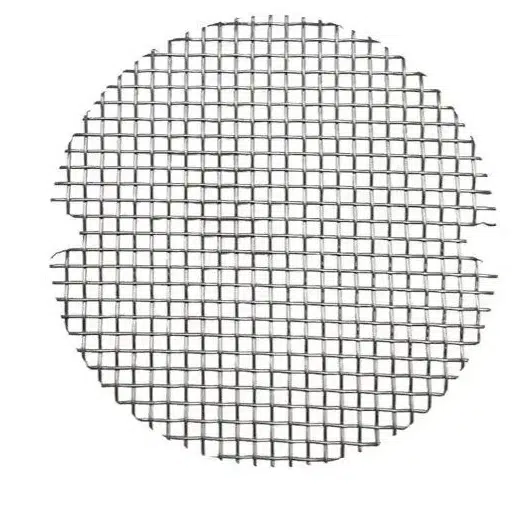
Products like the Designer Drains Hair Catcher are popular because they collect hair neatly around a center core, making cleanup simple.
Surface Covers (Sit on Top of the Drain)
- Ideal for tile showers or square drains
- Catch hair before it even reaches the drain opening
- Great for modern, flush shower floors
These are simple, affordable, and effective—especially in guest bathrooms or rentals.

2. Upgrade Your Drain Cover (Where Design Meets Function)
This is where Designer Drains comes in.
Most generic drain covers are designed for function only. But a well-designed decorative drain cover can:
- Improve water flow
- Reduce buildup points
- Pair with a hidden or integrated hair-catching system
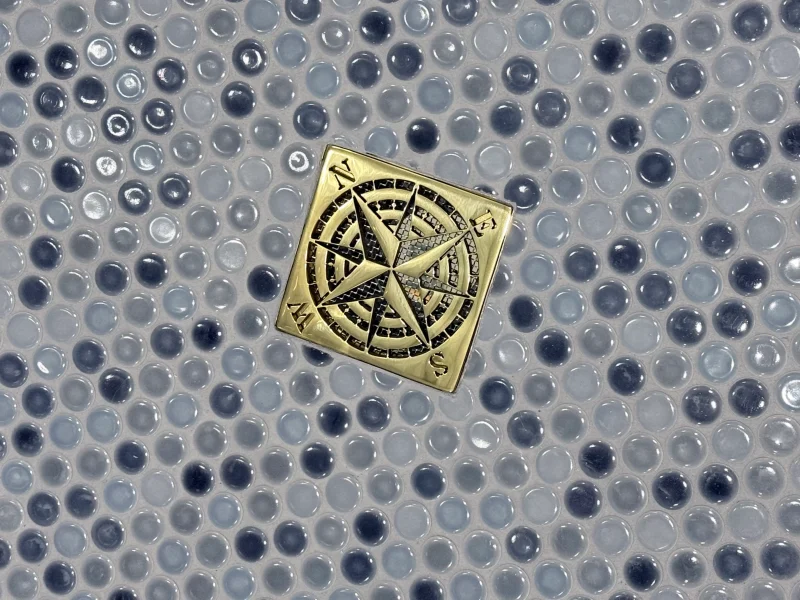
Pro tip: Pair a Designer Drains cover with an internal hair catcher underneath. You get the best of both worlds: style on top, performance below.
3. Clean Your Drain Weekly (Not Monthly)
Even with a hair catcher, maintenance matters.
Simple routine:
- Remove visible hair after every shower (takes 10 seconds)
- Rinse your hair catcher 1–2 times per week
- Flush the drain with hot water weekly
This prevents soap and oils from hardening around leftover strands.

4. Avoid Chemical Drain Cleaners
It’s tempting, but not worth it.
Many liquid drain cleaners:
- Don’t fully dissolve hair
- Can damage pipes over time
- Create hazardous fumes
Most modern hair catchers are designed specifically so you don’t need chemicals at all.
5. Brush Hair Before Showering
This one’s underrated.
Brushing your hair before stepping into the shower removes loose strands that would otherwise end up in your drain. It’s a small habit that makes a big difference—especially for long hair.
6. Watch the Soap and Product Build-Up
Hair alone isn’t the real problem; hair + residue is.
Heavy conditioners, oils, and bar soaps create a sticky film inside pipes. That film traps hair faster.
What helps:
- Occasional hot water flush
- Switching to lighter products if buildup is frequent
- Using a drain-safe enzyme cleaner monthly (optional)

Final Thoughts
Preventing hair clogs isn’t complicated; it just requires consistency and the right setup.
If you take away three things:
- Use a quality hair catcher
- Clean it regularly
- Pair with a well-designed decorative drain cover
That’s it.
At Designer Drains, the goal isn’t just to make your shower look better; it’s to make it work better, too. Combine a decorative drain cover with a reliable hair-catching system, and you’ll avoid clogs entirely while elevating your space.
Looking for additional tips to keep your bathroom clean? Explore our blog on How to Design Bathrooms That Are Easy to Clean for additional tips on how to design bathrooms that are easy to clean with minimal maintenance.
