

Feb
Can Shower Drains Freeze? Understanding the Chill Factor
Yes — shower drains can freeze, especially in cold climates or poorly insulated homes. When water inside the drain or P‑trap turns to ice, it can block drainage, cause backups, and even lead to burst pipes. This guide explains why shower drains freeze, the warning signs to watch for, and the safest ways to thaw and prevent frozen drains. Winter brings its own set of challenges, and one unsuspecting victim might be your shower drain. In this article, we will delve into the intricacies of this issue, exploring why it happens, how to prevent it, and what to do if you find yourself with a frozen drain.
What Causes a Shower Drain to Freeze
Shower drains freeze when water accumulates in the pipes and the temperature drops low enough to turn it into ice. This can happen due to various factors, including poor insulation, exposure to cold air, or even plumbing issues within the house.
Frozen drains often occur in older or poorly insulated plumbing systems. Upgrading to a high‑quality stainless steel shower drain cover can help improve drainage and reduce buildup.
Explore premium options here: Designer Drains Shower Drain Covers
Warning Signs Your Shower Drain Is Freezing
Detecting a frozen drain early is crucial. Look out for slow drainage, gurgling sounds, or an unpleasant odor emanating from the drain. Ignoring these signs can lead to more severe problems, such as burst pipes.
How to Prevent Your Shower Drain From Freezing
Preventing a frozen shower drain involves both proactive measures and reactive solutions. Insulating pipes, using drain covers, and keeping the bathroom warm are effective preventive steps. DIY solutions, like pouring hot water down the drain, can also help.
How to Thaw a Frozen Shower Drain
If you find yourself with a frozen drain, don’t panic. Thawing it safely involves using methods like hot water, hairdryers, or heat lamps. However, if these DIY methods fail, seeking professional assistance is essential to avoid further damage.
Winter Maintenance Tips to Prevent Frozen Shower Drains
Regular winter maintenance can dramatically reduce the risk of frozen shower drains. Check your plumbing insulation, seal any leaks that allow cold air into crawl spaces, and clear debris from the drain to maintain proper water flow. These simple seasonal steps help keep your shower drain from freezing when temperatures drop.
Common Myths About Frozen Shower Drains
Many homeowners believe frozen shower drains only occur in extreme cold or that indoor plumbing is always protected — but these assumptions are false. Even mildly cold temperatures, poor insulation, or drafts can cause a shower drain to freeze. Understanding these common myths helps homeowners take the right precautions before winter weather causes real damage.
Impact on Plumbing Systems
A frozen drain can lead to more severe consequences for your plumbing system. Burst pipes, water damage, and expensive repairs are potential outcomes if the issue is not addressed promptly.
DIY Solutions
Taking matters into your own hands is possible with simple DIY solutions.
- Using Salt to prevent freezing to installing heat tape on exposed pipes, there are various methods readers can employ to protect their drains.
- Use a Hairdryer to gently heat the pipes until the ice melts sufficiently to allow water flow. Afterward, open the faucet and let a steady stream of warm or hot water complete the ice-melting process.
- If you have a Heating pad or Hot packs like hand or foot warmers, place them in the P or S trap on a medium setting until water begins to flow. Afterward, open the faucet and let warm water run into the drain for 4 to 5 minutes, effectively clearing the remaining blockage.
- Electric heat tape is a ribbon-like wrap containing heating elements. It can be wound around frozen pipes and gradually heated up using a thermostat.
- Utilize Heat Lamps, similar to those used in terrariums or indoor plant cultivation, to thaw your drain pipes. Direct the light towards the pipes, maintaining a safe distance, and ensure that cabinet doors are left open during the process.
- Turn Up the Heat – Increase the temperature on your thermostat and open the cabinet doors to let the flow of warm air contact the pipes. This method may take a couple of hours to work, but it is among the safest ways to thaw out your frozen drains.
The freezing of a shower drain is not easily noticed until you are standing ankle-deep in water in the shower. A frozen water line can also result in a busted water pipe and the resulting damages. Before we give you tips on unclogging your shower drain, here are some DON’Ts you should avoid.
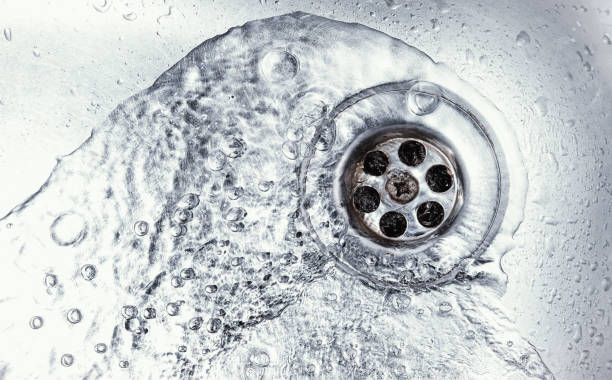
UNFREEZE A SHOWER DRAIN USING SIMPLE CHEMISTRY
Shower or floor drains present a different challenge. Since you will not likely have access to the pipes beneath, you’ll have to work from the drain itself. The following steps will help you use simple chemistry to thaw your shower or floor drain:
- Boil at least 2 gallons of water with 1 cup of table salt
- Put a half-cup of baking soda down the drain
- Pour 1 cup of vinegar into the drain with the baking soda
- Let the vinegar and baking soda react together until they stop fizzing (this will clean residues from the drain and pipe)
- Pour the boiling salt water down the drain to melt the ice, clearing the blockage
- Open the faucet and let hot water run down the drain for 4 to 5 minutes
Professional Assistance
Knowing when to call in the experts is crucial. Professional plumbers have the experience and tools to tackle frozen drains effectively. Ignoring the issue or attempting complex repairs without the necessary skills can lead to more significant problems.
Plumbers Share Ten Important Plumbing Tips
Weather Considerations
Understanding how weather conditions contribute to frozen drains is essential. Geographical location, wind chill factors, and sudden temperature drops all play a role in the likelihood of your shower drain freezing.
Long‑Term Solutions to Prevent Frozen Shower Drains
For homeowners in colder climates, long‑term upgrades can greatly reduce the risk of frozen shower drains. Installing better‑insulated drain lines, adding heat‑traced piping, or replacing older plumbing with modern freeze‑resistant materials can help your drainage system withstand harsh winter temperatures. These improvements offer a more permanent solution for preventing frozen drains year after year.
Products That Can Help Protect the Drain System, Improve Performance, and Make Recovery Easier.
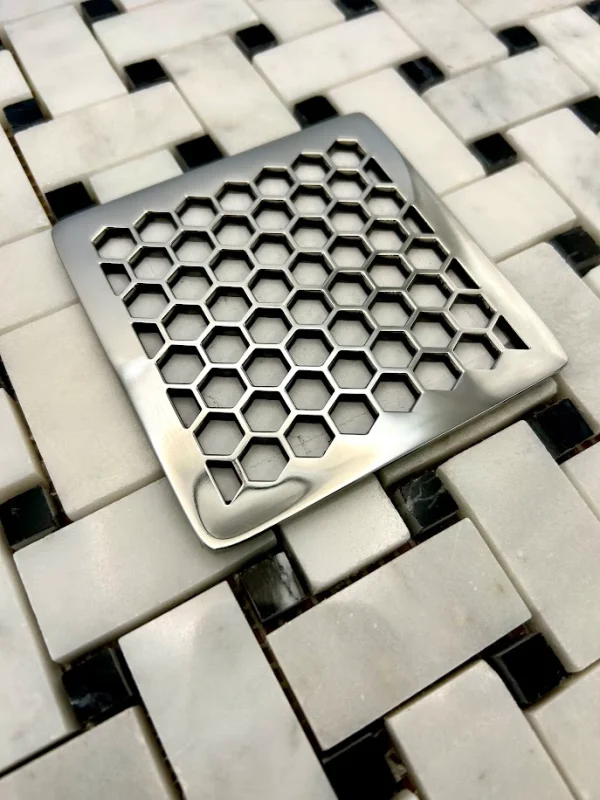
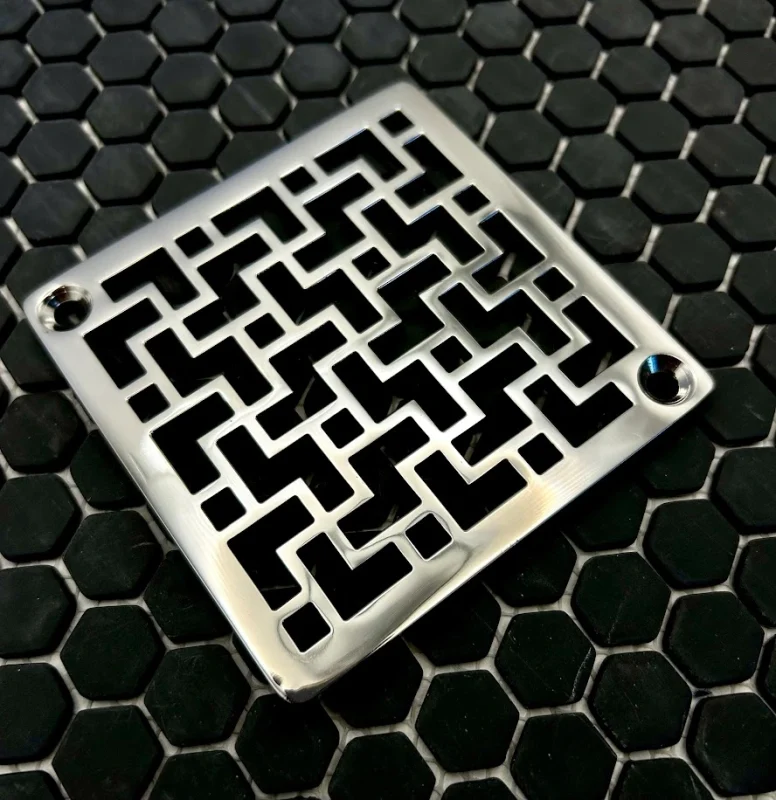
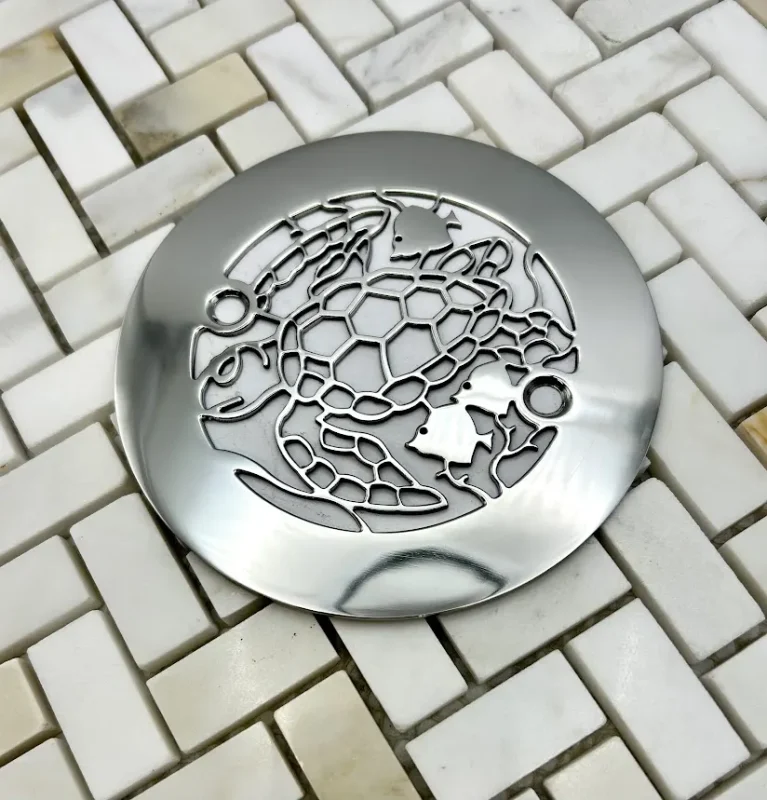
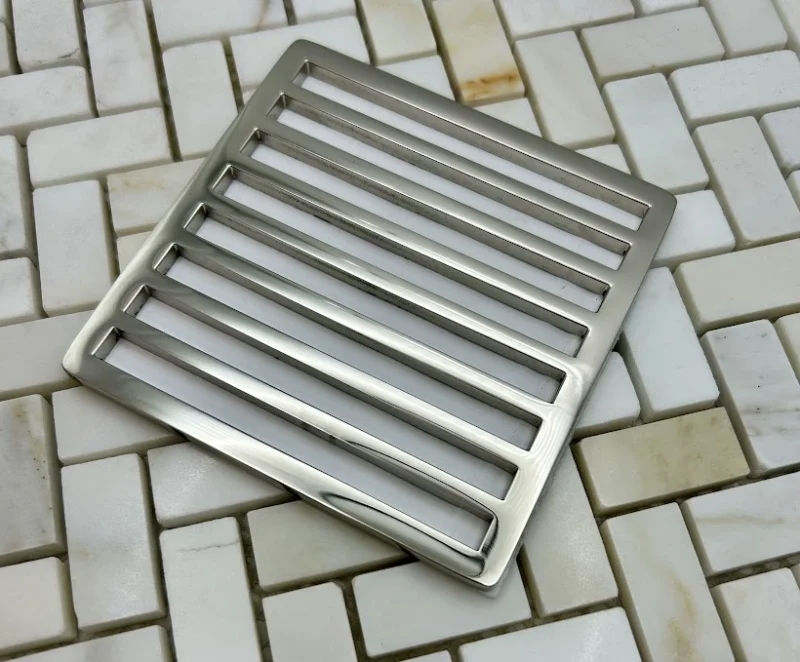
Stainless steel drains are superior at handling the stress of freeze-thaw cycles without breaking, unlike polymer or concrete alternatives. They are often used in cold climates because they are durable enough to resist cracking or breaking under extreme temperatures.
Protect Your Drain During Cold Weather
While no drain cover can stop pipes from freezing, choosing a high-quality stainless steel cover helps your system perform better year-round.
• Improves drainage flow
• Resists corrosion and winter moisture
• Easy to remove for seasonal maintenance
• Cold Climate Friendly
👉 Shop Premium Shower Drain Covers
👉 Shop Custom Design Drain Covers
Conclusion
In conclusion, a frozen shower drain is a winter woe that can be prevented with the right knowledge and proactive measures. By understanding the causes, signs, and preventive steps, homeowners can ensure a smooth flow even in the coldest weather.
For more tips on maintaining your bathroom and upgrading your fixtures, visit Designer Drains for premium drain covers and home solutions.
FAQs:
1. Can a shower drain freeze if the weather is not extremely cold?
Yes, even moderately cold temperatures can cause a shower drain to freeze if proper preventive measures are not taken.
2. Is using hot water to thaw a frozen drain safe?
Using hot water is a common and safe method for thawing a frozen drain, but it should be done cautiously.
3. How often should I check and maintain my shower drains during the winter?
Regular checks and maintenance are recommended at least once a month during winter.
4. Are there long-term solutions to prevent shower drains from freezing?
Yes, upgrading drainage systems with features resistant to freezing provides a long-term solution.:
5. What should I do if I suspect my shower drain is frozen but can’t find any visible signs?
It’s advisable to seek professional assistance to conduct a thorough inspection and address the issue promptly.
